How to Evaluate a Car’s Condition at an Auction: What Every Buyer Should Know
When buying a car at an auction, you don’t have the opportunity to inspect it in person, so it is important to know how to evaluate the condition of the vehicle based on photos, descriptions, and documents. Here are some practical tips to help you make the right decision.
1. Photo Analysis
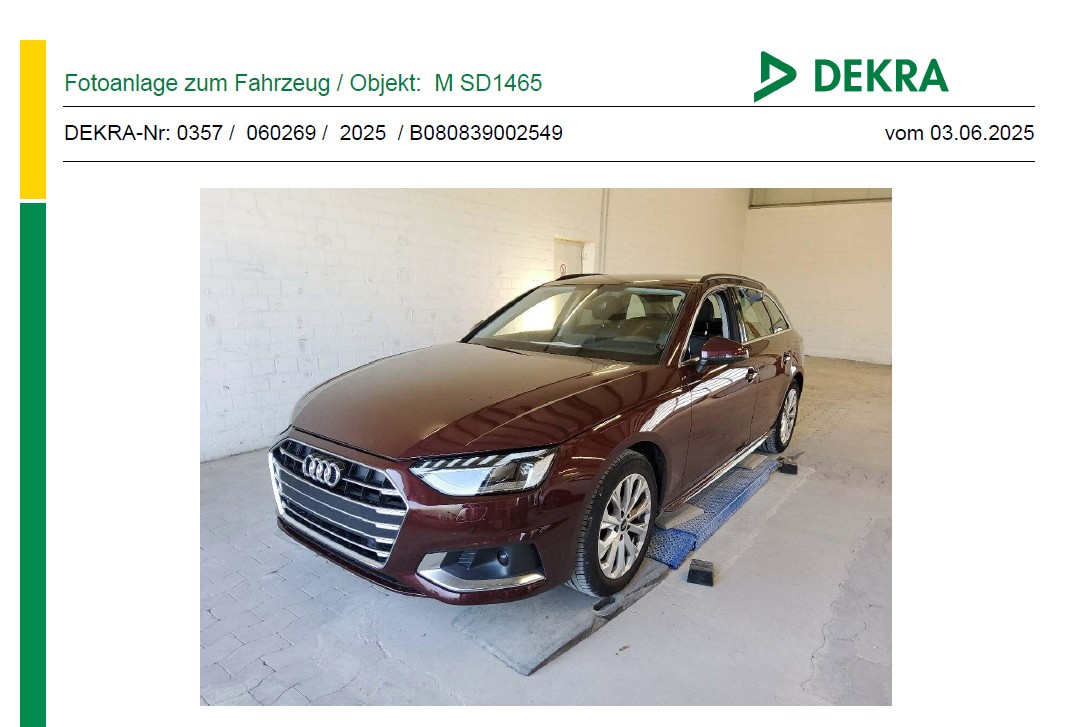
Choose auctions that provide many high-quality photos. Evaluate not only the bodywork, but also the interior, trunk, and engine bay. Look for damage that would be expected given the car’s age or mileage — scratches, dents, and so on. If you find defects, assess their size and seriousness.
Most shallow scratches can be removed by polishing the car, which, if done properly, can significantly refresh its appearance. Small dents or dings can be easily fixed by body repair specialists, while interior stains can be removed with chemical cleaning. All of this can be done at once and is recommended for any car purchased at auction. Euroleasingauto has partners who perform this work with high quality and at lower cost than in the major cities — Vilnius or Kaunas.
If the scratches are deeper, most of them can be fixed during repainting. Professional craftsmen can do this well and without visible repair marks. Such damage says nothing about the car’s technical condition, but it does affect its price — reducing it. In Western Europe, this type of work is quite expensive, while in Lithuania you can expect about €350 per part (door, hood, fender, etc.). Thus, even if there are several larger scratches on a door, the repair cost remains the same, since the entire panel is repainted.
Carefully examine the photos of the dashboard. If in a running car (tachometer needle above zero) you see yellow warning lights, especially the engine icon, it is better to avoid such a car. This could be a minor fault, but it might also indicate a serious problem that you cannot identify without an in-person inspection. Also avoid cars with no dashboard photos at all, or where the photos are taken only with the ignition off.
2. Technical Reports and Descriptions
Many auctions use standard terms:
Minor damage – small defects
Structural damage – structural issues
Runs & drives – the car runs and drives
Salvage title – car after a major accident
Also, evaluate the reliability of the mileage, service history (if provided), and when the last maintenance was performed. The seller’s comments may also contain information about the vehicle’s condition. Different sellers present information in different ways, so it is important to assess everything that is provided.
3. Additional Reports
If the car is more expensive, it is recommended to invest in a detailed report based on the VIN code. It will provide information about accidents, countries of operation, and service records. Such reports often reveal more than the auction description.
Mileage fraud in leasing auctions is practically impossible, but the report often contains broader information about the car’s equipment, which is usually scarce in auction descriptions.
4. Questions to the Seller or Auction Representative
If you have doubts or uncertainties, ask the platform representatives or Euroleasingauto managers. They can explain the nuances of the description or give advice.
Tip: when evaluating a car, follow the principle — it is better to overpay for information than to buy a problem.
IMPORTANT
Always give the highest priority to photos. Descriptions sometimes contain mistakes.
For example, if it is written that the gearbox is automatic but the photo shows a manual — the car is in fact equipped with a manual gearbox, and you won’t be able to make claims, because it is clearly visible. Another common case — the description states that the car is petrol, but the photos show the word “Hybrid.” This means that it actually has a hybrid system. The same applies to the number of seats — always double-check with the photos.
Such discrepancies are not very common, but since the information is provided by people, mistakes do happen.